Every June 5th, World Environment Day serves as a powerful reminder of our collective responsibility toward planetary stewardship.
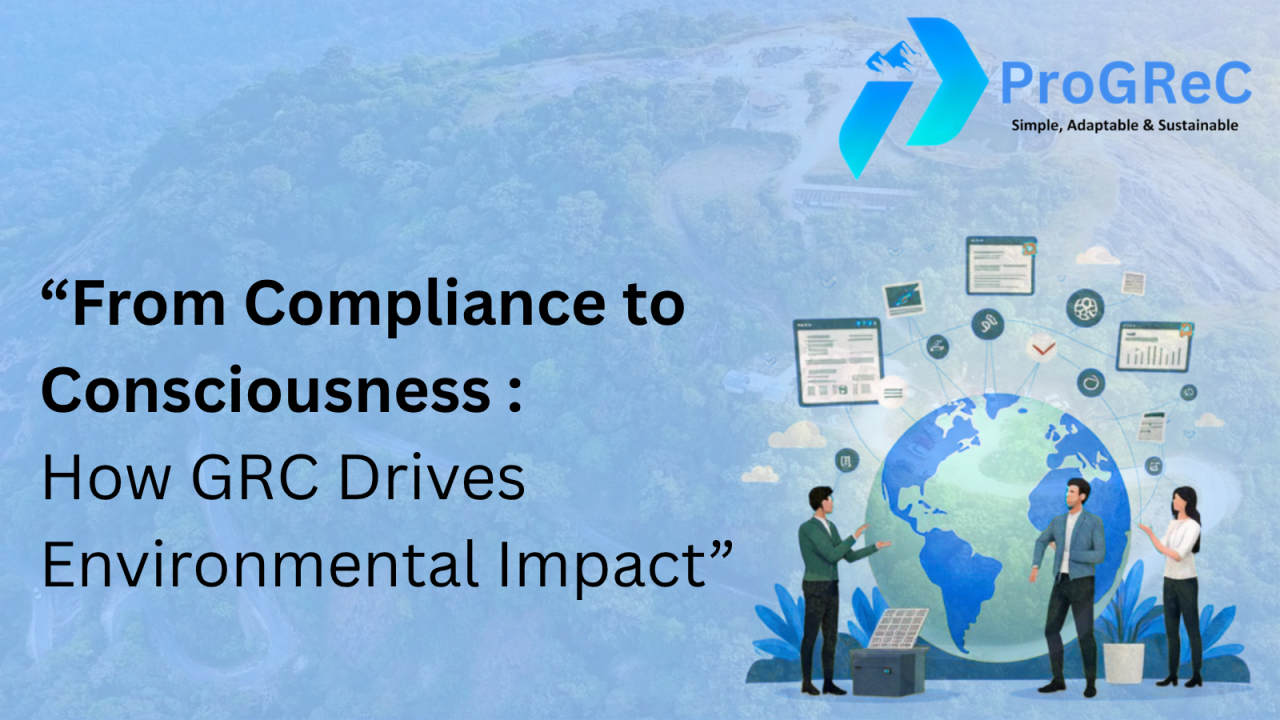
As GRC (Governance, Risk, and Compliance) professionals, we occupy a unique position where regulatory frameworks intersect with organizational transformation. Over time, I’ve come to realize that our greatest impact lies not merely in policy implementation and audit protocols, but in facilitating a fundamental shift—from compliance-driven approaches to conscious environmental stewardship.
🌱 The Evolving Landscape of Environmental Responsibility
In today’s climate-challenged world, environmental regulations have transcended optional status—they represent critical business imperatives.
However, when we approach them as mere checkboxes, we forfeit a tremendous opportunity to catalyze meaningful change through the governance systems we architect and the organizational cultures we help cultivate.
🧭 Compliance as Foundation, Not Destination
Most contemporary organizations maintain environmental policies, monitor emissions data, track energy consumption, and adhere to frameworks such as ISO 14001 or the EU Corporate Sustainability Reporting Directive (CSRD).
These efforts represent essential groundwork, but sustainability cannot flourish on compliance foundations alone. It demands:
- Intentional governance structures
- Proactive risk management methodologies
- Unwavering commitment to aligning business performance metrics with environmental stewardship objectives
This convergence is where GRC emerges as a strategic enabler of sustainable business practices, rather than merely a defensive regulatory mechanism.
The key is making our approaches simple, adaptable, and sustainable—principles that should guide every GRC framework we design.
⚙️ The GRC Framework: Powering Environmental Accountability
Each component of GRC contributes distinctively to environmental responsibility:
Governance
Establishes clear accountability structures and executive leadership for sustainability initiatives.
Boards and senior management must integrate environmental KPIs into the organization’s strategic framework, ensuring sustainability metrics receive equal consideration alongside traditional performance indicators.
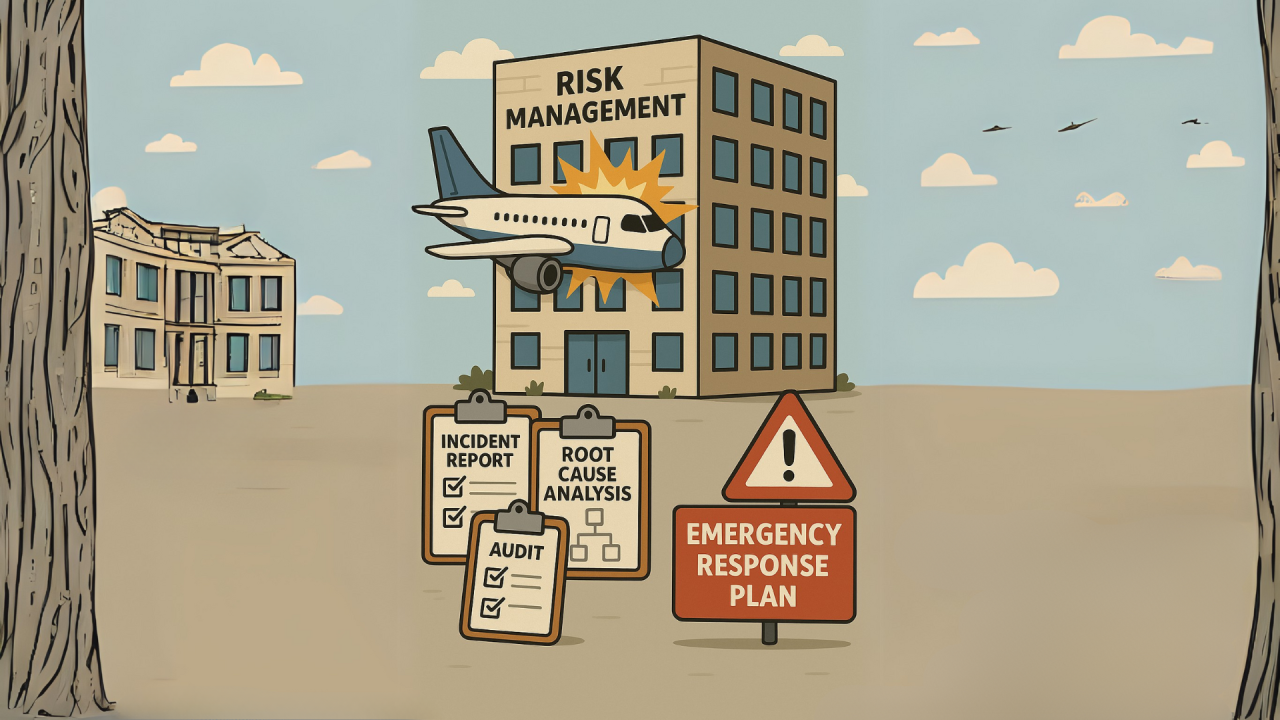
Risk Management
Identifies, evaluates, and mitigates climate-related vulnerabilities—including resource scarcity, extreme weather events, and evolving policy landscapes.
These considerations have evolved from future concerns to immediate threats, requiring active business continuity planning.
Compliance
Ensures adherence to local and international environmental regulations while promoting transparency through comprehensive ESG reporting and standardized disclosure practices.
🌐 GRC-Driven Sustainability in Practice
Forward-thinking organizations are:
- Leveraging automated GRC platforms to monitor carbon emissions and waste disposal metrics across multiple geographies.
- Revising third-party vendor assessment policies to include environmental performance as a core evaluation factor.
- Embedding climate risk scenarios into enterprise risk matrices to address supply chain disruptions and regulatory evolution.
These initiatives are more than compliance efforts—they reflect a growing recognition that compliance frameworks can evolve into conscious, value-driven business practices.
💡 Transforming Perspective: From Regulatory Burden to Strategic Asset
What if we fundamentally reconsidered sustainability—not as a regulatory obligation, but as a brand differentiator, risk mitigation strategy, and competitive advantage?
GRC extends beyond organizational penalty protection—it can safeguard planetary resources from organizational inaction.
This transformation begins with us: the risk management professionals, compliance specialists, and governance architects who shape organizational behavior.
🌍 Moving Beyond Awareness to Action
This World Environment Day, let’s move beyond sustainability communications. Let’s embed environmental consciousness into the foundational fabric of our GRC methodologies and organizational systems.
Because the most comprehensive form of risk management is one that ensures the preservation of the environment within which our organizations operate and thrive.
💬 Join the Conversation
I’m interested in learning how fellow GRC professionals are integrating sustainability considerations into their governance frameworks.
👉 What innovative approaches are you implementing to transform compliance obligations into conscious environmental stewardship?
#WorldEnvironmentDay #Sustainability #GRC #ESG #ClimateRisk #Governance #Compliance #EnvironmentalStewardship #RiskManagement #BusinessTransformation